

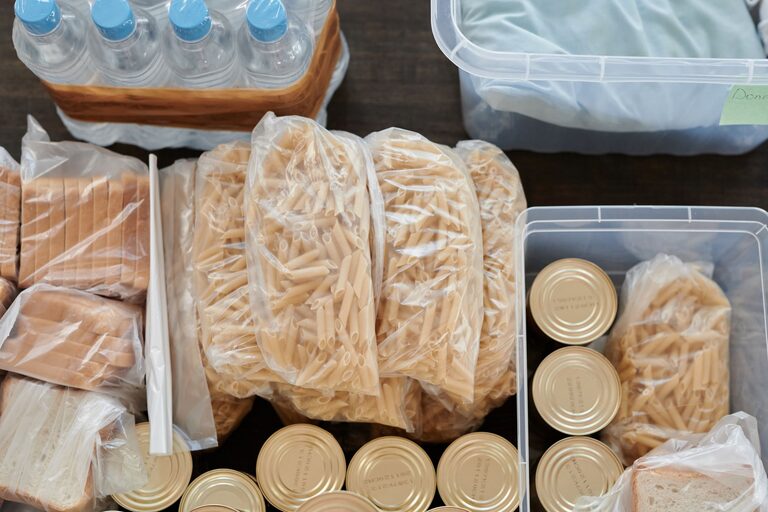
Planning meals from pantry staples can simplify your cooking routine, save money, and reduce food waste. With a well-stocked pantry and a little creativity, you can prepare delicious, nutritious meals even when fresh ingredients are limited. This guide will walk you through practical steps to organize your pantry, plan meals, and make the most out of what you have on hand.
Why Use Pantry Staples for Meal Planning?
Pantry staples are non-perishable or long-lasting ingredients like canned goods, dried grains, spices, and preserved items. By focusing on these essentials:
– You always have ingredients ready for quick meals.
– Shopping trips become more efficient and less frequent.
– You can mix and match ingredients to create a variety of dishes.
– Food waste decreases as you use what’s already in your kitchen.
Step 1: Take Inventory of Your Pantry
Before planning meals, it’s important to know what you have. Here’s how to do it effectively:
– Empty and organize: Pull everything out and group items by type—grains, canned goods, spices, baking ingredients, etc.
– Check expiration dates: Discard expired items to keep your pantry safe and organized.
– Note quantities: Write down how much of each staple you have available.
– Identify staples needing restock: Mark any items you use often that are running low.
Having a clear inventory snapshot helps you avoid buying duplicates and inspires meal ideas based on what you already own.
Step 2: Stock Essential Pantry Staples
If you’re looking to build or refresh your pantry, focus on versatile staples such as:
– Grains and pasta: Rice, quinoa, oats, spaghetti, macaroni
– Canned goods: Beans, tomatoes, tuna, coconut milk
– Baking basics: Flour, sugar, baking powder, yeast
– Cooking oils and vinegars: Olive oil, vegetable oil, apple cider vinegar
– Herbs and spices: Salt, pepper, cumin, paprika, garlic powder, mixed herbs
– Nuts and seeds: Almonds, chia seeds, sunflower seeds
– Broths and sauces: Chicken or vegetable broth, soy sauce, tomato sauce
These ingredients form a solid foundation that pairs well with fresh or frozen produce when available.
Step 3: Plan Meals Around Key Ingredients
When planning meals, focus on one or two main pantry staples per dish. Here are some ideas:
Using Beans or Lentils
– Chili: Combine canned beans with canned tomatoes, chili powder, and spices.
– Lentil soup: Use dried lentils with broth, onion powder, and herbs.
– Bean salad: Mix canned beans with vinegar, spices, and any fresh veggies.
Using Rice or Grains
– Fried rice: Use leftover rice with soy sauce, canned vegetables, and eggs.
– Grain bowls: Combine cooked grains with canned beans, olive oil, and spices.
– Stuffed peppers: Use rice mixed with canned tomatoes and herbs as a filling.
Using Pasta
– Simple tomato pasta: Toss cooked pasta with canned tomatoes, garlic, and olive oil.
– Pasta salad: Mix cooked pasta with canned veggies and a simple vinaigrette.
– Baked pasta: Combine pasta with canned sauce and cheese for a casserole.
Step 4: Incorporate Fresh or Frozen Ingredients
Pantry staples become even more versatile when combined with fresh or frozen vegetables, meat, or dairy. Here’s how:
– Add frozen spinach or mixed vegetables to soups and stews.
– Top pasta dishes with fresh herbs or grated cheese.
– Use frozen chicken breast alongside rice and canned beans for hearty meals.
If fresh ingredients aren’t available, frozen options are a convenient, nutritious alternative that extends your meal choices.
Step 5: Create a Weekly Meal Plan
Putting it all together, create a simple weekly meal plan using your pantry staples:
- Review your pantry inventory and select staples for main meals.
- Identify any fresh or frozen ingredients you can add.
- Write down meal ideas for each day, keeping variety and ease in mind.
- Check if you need to buy any complementary ingredients.
Planning ahead reduces stress and helps you avoid last-minute takeout or wasted food.
Tips for Successful Pantry Meal Planning
– Keep your pantry organized: Regularly tidy up and rotate items to avoid spoilage.
– Use versatile ingredients: Choose staples that work across multiple recipes.
– Batch cook and freeze: Prepare large portions of pantry-based meals and freeze leftovers.
– Experiment with flavors: Use spices and herbs to keep meals interesting.
– Keep a recipe list: Maintain a list of your favorite pantry-based recipes for quick reference.
Sample Pantry-Based Meal Plan
| Day | Meal Idea | Key Pantry Staples | Added Fresh/Frozen Items |
|————|———————————|———————————|———————————-|
| Monday | Lentil soup | Lentils, broth, canned tomatoes | Frozen spinach |
| Tuesday | Spaghetti with tomato sauce | Pasta, canned tomatoes, spices | Fresh basil or dried herbs |
| Wednesday | Bean chili | Canned beans, canned tomatoes | Fresh onion, frozen corn |
| Thursday | Fried rice | Rice, soy sauce | Frozen mixed vegetables, eggs |
| Friday | Pasta salad | Pasta, canned vegetables | Fresh cucumber, olive oil |
Conclusion
Planning meals from pantry staples is a smart, efficient way to cook delicious dishes without last-minute grocery runs. By knowing your pantry, stocking essential items, and mixing in fresh or frozen foods, you can enjoy a variety of meals anytime. Start with an inventory, build your meal plan, and embrace the convenience of your pantry staples!