

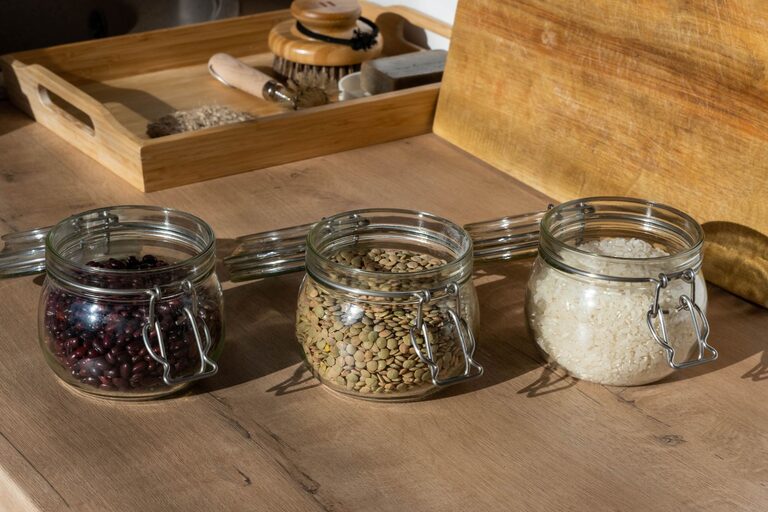
Planning meals from pantry staples is a smart way to save time, reduce food waste, and manage your grocery budget. Whether you’re aiming to prepare quick weeknight dinners or whip up something delicious without a last-minute store run, knowing how to use your pantry basics effectively can make all the difference. In this guide, we’ll walk you through practical tips and ideas to help you plan meals using the ingredients you have on hand.
Why Use Pantry Staples for Meal Planning?
Pantry staples are the non-perishable items you keep stocked in your kitchen—things like rice, pasta, canned beans, canned tomatoes, spices, and more. They are convenient because:
– Long shelf life: They last for months or even years, reducing grocery trips.
– Versatility: Many staples can be used in various dishes across different cuisines.
– Budget-friendly: Buying staples in bulk or on sale can save money.
– Emergency meal options: When fresh ingredients run out, pantry staples keep your kitchen functional.
Understanding what staples you have and how to combine them opens up numerous meal possibilities without needing extra ingredients.
Step 1: Take Inventory of Your Pantry
Before you start planning, take a few minutes to inventory your pantry. Check for:
– Grains: Rice, pasta, quinoa, couscous, oats
– Canned goods: Beans, lentils, tomatoes, vegetables, tuna, broth
– Baking essentials: Flour, sugar, baking powder, baking soda
– Oils and vinegars: Olive oil, vegetable oil, apple cider vinegar, balsamic vinegar
– Spices and herbs: Salt, pepper, garlic powder, paprika, dried oregano, cumin
– Nut butters and sauces: Peanut butter, soy sauce, hot sauce, mustard
Write down what you have and note expiration dates to use older items first.
Step 2: Plan Your Meals Around Core Staples
Once you know what’s available, think about the meals you can build around these ingredients. Here are some ideas:
Use Grains as a Base
Grains like rice or pasta are filling and can be paired with different proteins and sauces.
– Stir-fry: Cook rice and toss with canned veggies, frozen or fresh produce, and a simple soy sauce-based sauce.
– Pasta with tomato sauce: Use canned tomatoes, garlic powder, and herbs to make a quick marinara.
– Grain bowls: Combine cooked grains with beans, canned corn, and a drizzle of olive oil and lemon juice.
Incorporate Beans and Lentils
Canned or dried beans and lentils are excellent sources of protein and fiber.
– Chili: Mix canned beans and tomatoes with chili powder and cumin for a hearty stew.
– Soup: Combine lentils with broth, canned tomatoes, and spices for an easy soup.
– Salads: Rinse canned beans and toss with olive oil, vinegar, and herbs for a simple bean salad.
Create Simple Sauces and Dressings
Even a handful of pantry staples can make flavorful sauces.
– Garlic olive oil sauce: Heat olive oil with garlic powder and toss with pasta.
– Vinaigrette: Mix vinegar, oil, salt, pepper, and mustard for salad dressing.
– Peanut sauce: Blend peanut butter with soy sauce, a bit of water, and a splash of vinegar.
Step 3: Combine Fresh and Pantry Ingredients When Possible
If you have some fresh produce or proteins like eggs or cheese, use them alongside pantry staples to add variety.
– Mix canned beans with sautéed fresh vegetables.
– Top pasta with grated cheese and herbs.
– Add fresh lemon juice and zest to pantry-based sauces for brightness.
Step 4: Keep It Simple and Flexible
Meal planning from pantry staples doesn’t need to be complicated. Use flexible recipes that allow you to substitute ingredients depending on what you have. For example:
– If a recipe calls for kidney beans, black beans will work.
– Canned corn can replace frozen corn.
– Swap out one type of grain for another based on availability.
Step 5: Use Meal Planning Tools and Templates
To stay organized, consider meal planning tools or simple templates where you can list meals and required ingredients. This will help you avoid overbuying and make the most of your pantry staples. You might:
– Plan 3-5 meals per week using mostly pantry items.
– Schedule days for fresh produce meals.
– Note which items need to be used soon.
Bonus Tips for Pantry Meal Planning
– Rotate your stock: Place new items behind older ones to use older staples first.
– Freeze extras: If you open canned goods or cook in bulk, store extras in the freezer for later.
– Batch cook and freeze: Prepare large batches of staple-based meals like soups or stews and freeze portions for busy days.
– Keep a spice mix handy: A pre-mixed blend of your favorite spices can simplify seasoning.
Sample Meal Ideas Using Pantry Staples
| Meal | Pantry Ingredients | Additional Items |
|———————–|—————————————————|———————————-|
| Tomato pasta | Pasta, canned tomatoes, garlic powder, olive oil | Parmesan cheese (optional) |
| Bean chili | Canned beans, canned tomatoes, chili powder | Onion or bell pepper (optional) |
| Lentil soup | Lentils, vegetable broth, canned tomatoes | Carrots, celery (optional) |
| Rice and beans bowl | Rice, canned black beans, canned corn, olive oil | Lime juice, fresh cilantro (optional) |
Final Thoughts
Meal planning from pantry staples is a practical approach to cooking that encourages creativity and reduces stress. By knowing what you have and how to combine those ingredients, you can enjoy nutritious, satisfying meals without the need for frequent grocery trips. Next time you open your pantry, challenge yourself to design a meal with what’s inside—you might be surprised at how many delicious options await!